

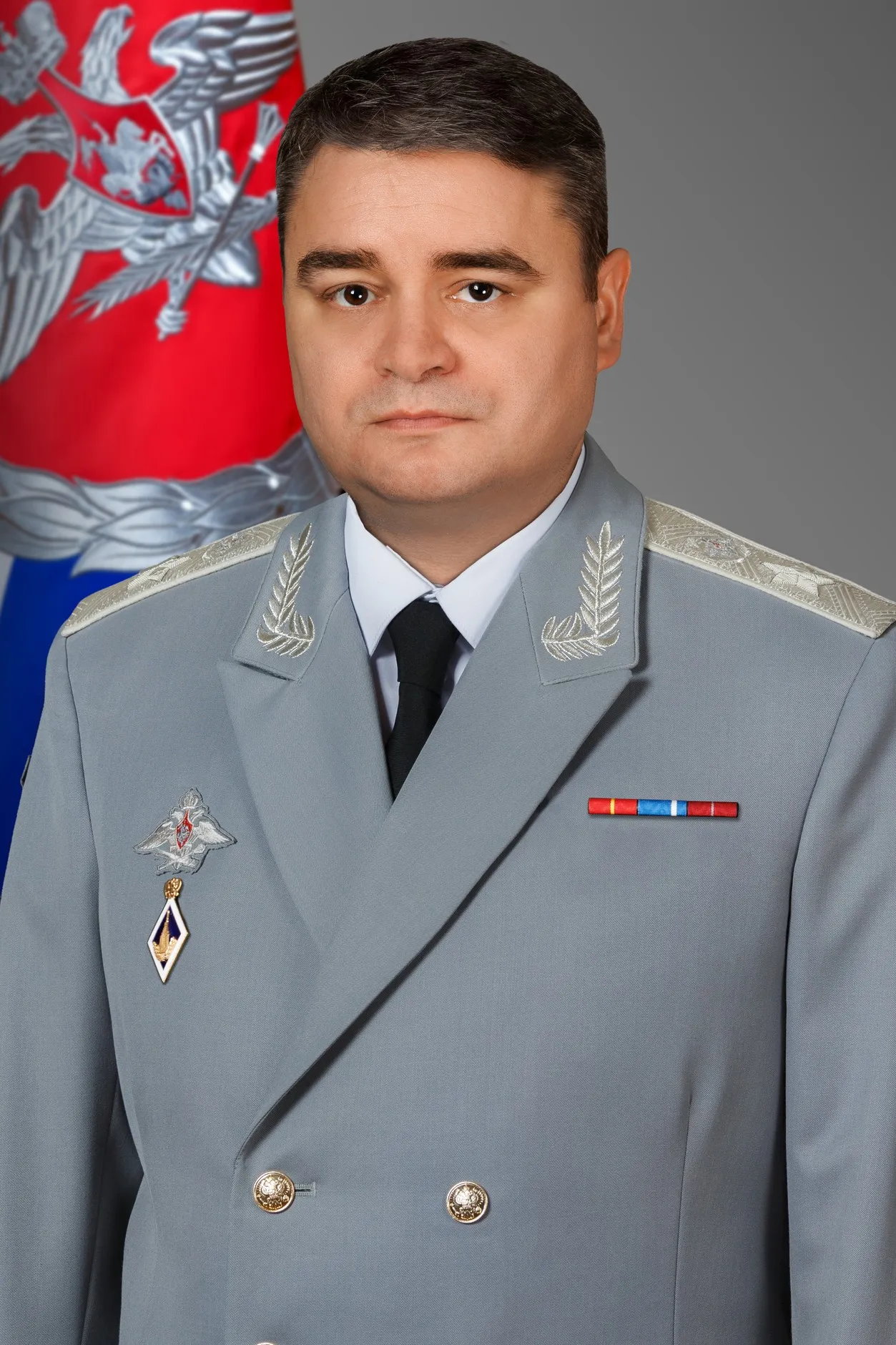
October 2025 was marked by a reshuffle at the Ministry of Defence. Many considered it revolutionary: the chair of deputy minister went to Vasily Osmakov. Young and a stranger to all things military, he was put in charge of the technical development of the defence industry.
Military analysts were delighted:
“Within a couple of years the change of leadership may lead to a revision of the Defence Ministry’s relations with Rostec as its principal supplier of armaments. Instead of personal and corrupt connections, priority will be given to efficiency and to economising budget funds.”
But if those analysts had run even a cursory eye over Osmakov’s employment record, if they had studied his “achievements,” they would have been horrified — with this appointment, personal and corrupt connections were rising to an entirely new level.
Before the Defence Ministry, Osmakov worked at the Ministry of Industry for more than 20 years, and for almost half of them as Manturov’s assistant and later his deputy. Under him he was responsible for advanced technologies of every kind, for import substitution and for the development of the domestic machine-tool industry.
Within that last field, Osmakov became as early as 2012 the ambassador of the private holding STAN. It had been thrown together in short order by Manturov’s friend Sergei Nedoroslev. The idea was a simple one — swallow up the assets of assorted machine-tool producers across Russia, obtain favourable loans from the state, and use that money to order machine tools from the holding’s own enterprises. But not to deliver the equipment: simply to stuff the billions into their own pockets. And, naturally, into their friends’ pockets as well. One important aside — those billions were allocated out of the Industrial Development Fund. And that fund was created and overseen by none other than Osmakov.
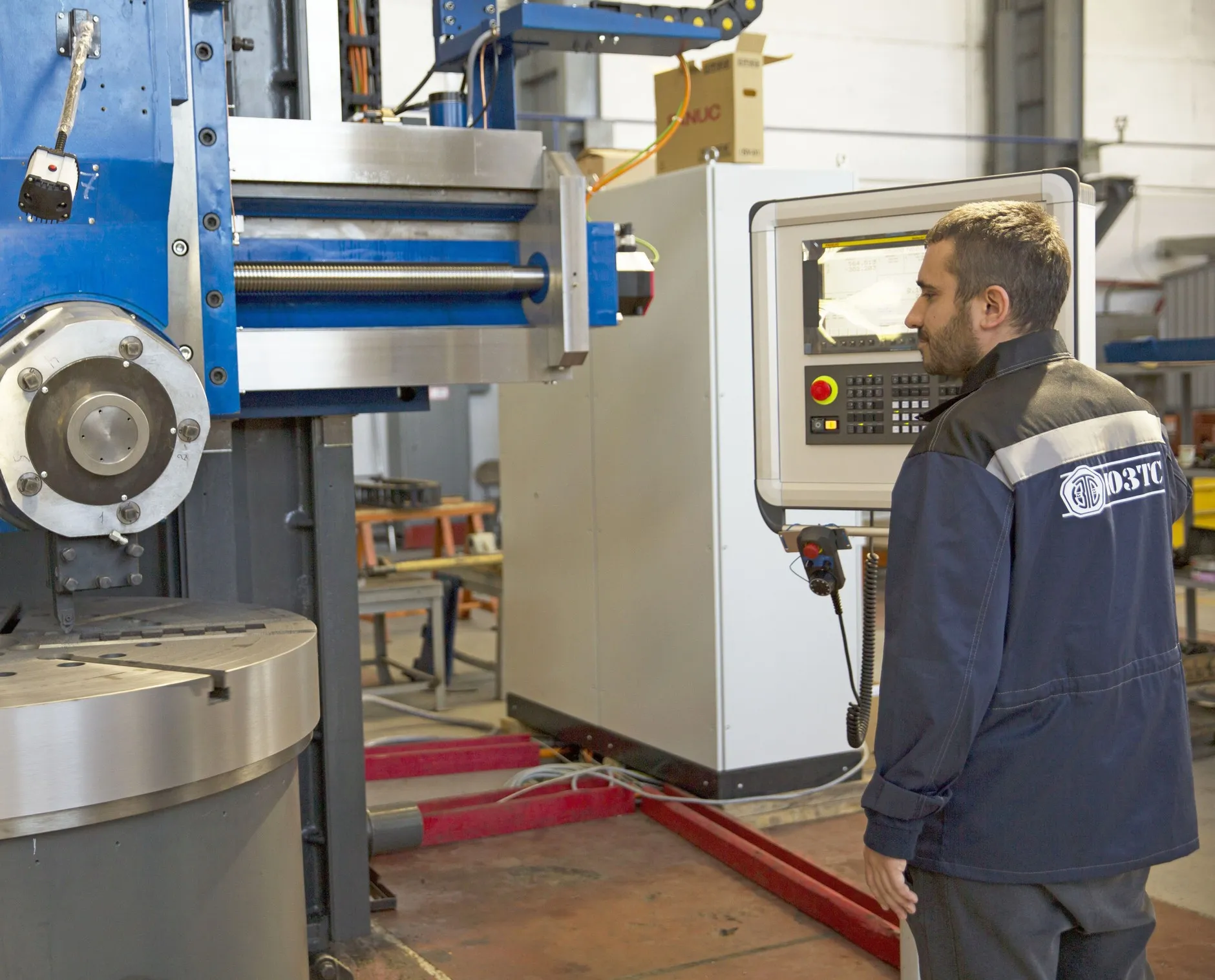
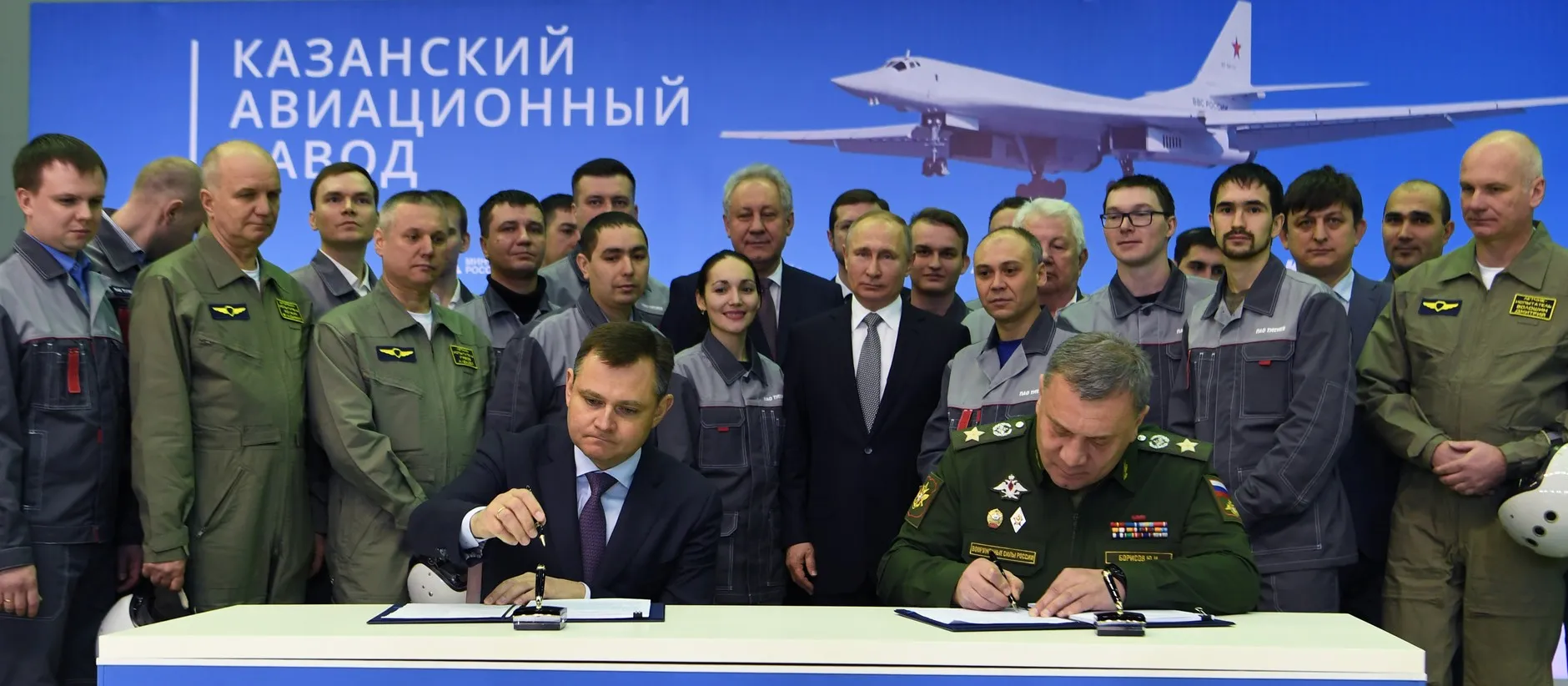
The apogee of the swindle came in 2019, when the Russian president visited the Kazan Aviation Plant and was shown a machine tool there, supposedly manufactured in Kolomna. It turned out later that this was equipment made by the Italian engineering group Camozzi.
In the end the inspections established the obvious: that STAN was a soap bubble, inside which the money was going neither where nor on what it was meant to. But everyone got away with it, because the holding was swiftly taken over by Rostec — that is, by yet another friend of Manturov’s, Chemezov. He too now receives billions from the Industrial Development Fund, but he goes about it more cautiously: some part of that money he spends on buying Chinese machine tools. Such is the substitution of one import by another.
Another line that Osmakov promoted at the Ministry of Industry was Technet, part of the National Technology Initiative. Under its aegis HealthNet was set up — an all-Russian system for analysing the health of the population. And MariNet as well — a global platform for the management of seagoing vessels. Ten years on, all that remains is those names, while the billions allocated have vanished.
So what are we left with? Osmakov now works at the Ministry of Defence along the lines of his favourite technologies. Which means that Chemezov will now have no difficulty whatsoever in landing an order for any piece of Soviet junk, which he will touch up with fresh paint and hang a label on: “the very latest SUPER-TECHNOLOGICAL development.”
These three — Chemezov, Manturov and Osmakov — have made import substitution into a bottomless feeding trough, and for that reason a rapprochement between Russia and Europe is not in their interests. But it is in the interests of the president of the Russian Federation, which makes them an obstacle that needs to be removed. And removed it will be. With Putin it is never any other way.