


Latest
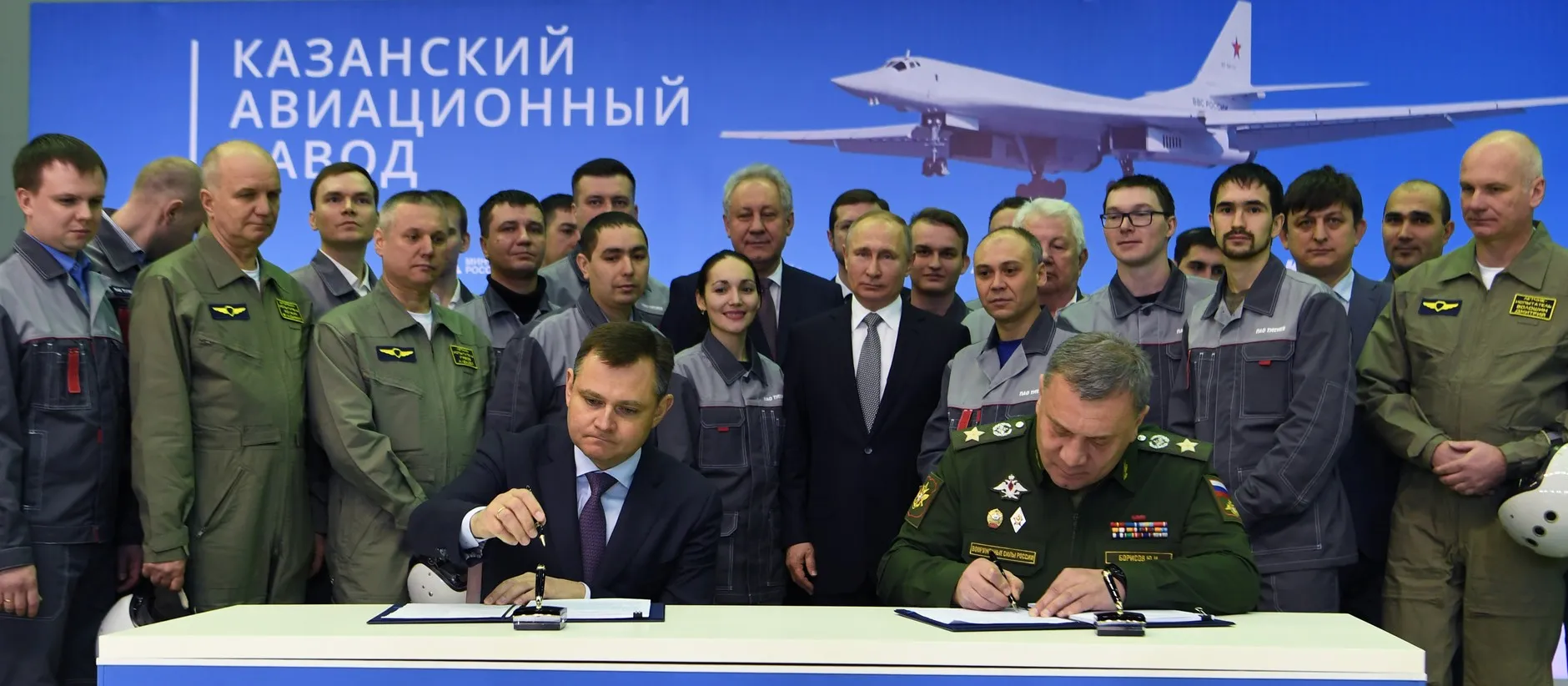
Vladimir Putin at the Kazan Aviation Plant, January 2018. Photo: Marsel Badykshin / Tatarstan.ru, CC BY 4.0

“Parasites”: How Chemezov, Manturov and Osmakov Turned Import Substitution into Their Own Feeding Trough

For years Chemezov, the head of Rostec, and Manturov, the minister of industry, assured Vladimir Putin that Russia would have machine tools of its own, electronics included — and therefore equipment for projects of any complexity, from tomographs and gas turbines to aircraft: “So rest assured, Vladimir Vladimirovich, Russia has no need of Europe.” But the whole of import substitution was happening in words alone. In practice these two were simply carving up the money, and one inconspicuous official was helping them do it. With one hand he prepared bogus reports for Putin, and with the other he wrote out billion-rouble contracts for Rostec…

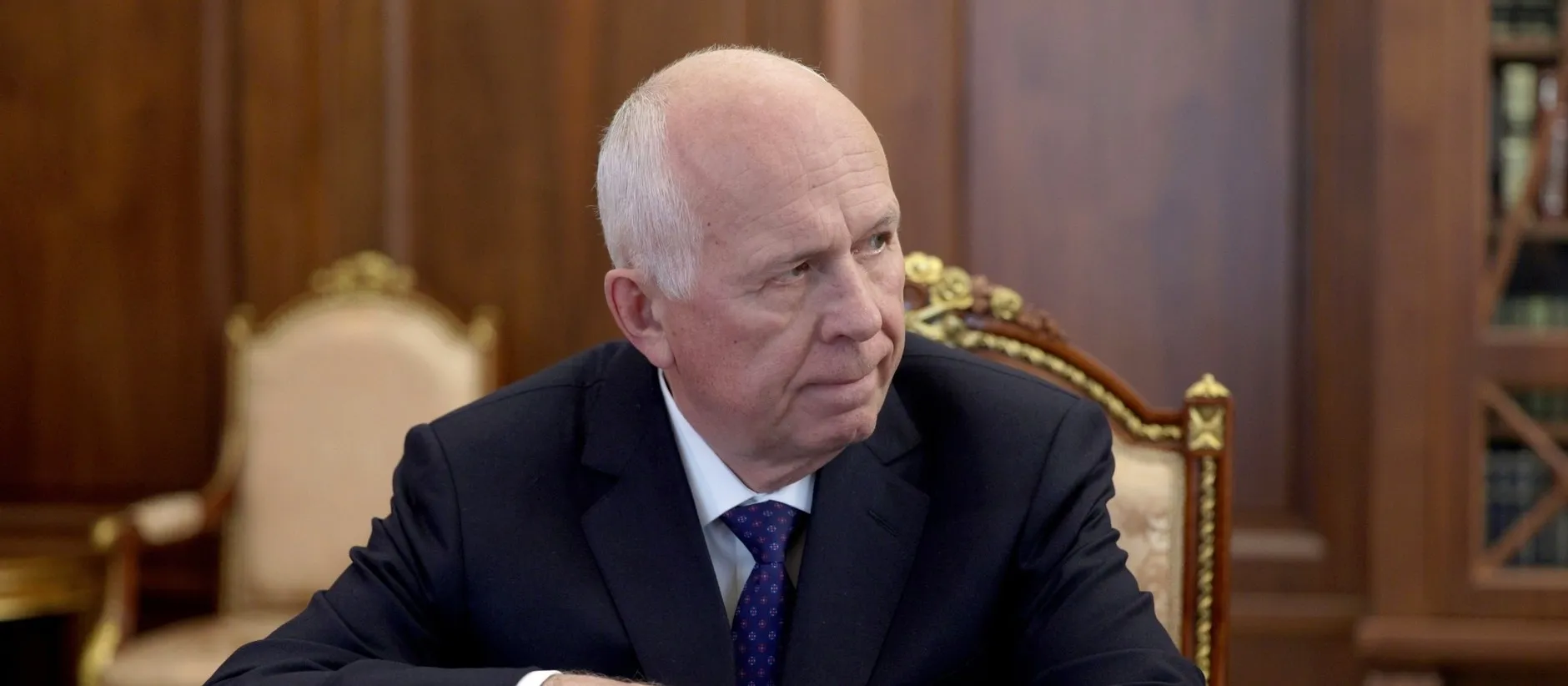
Sergey Chemezov at a working meeting in the Kremlin, May 2024. Photo: kremlin.ru, CC BY 4.0

Sergey Chemezov — the “Quartermaster” Who Disappointed His “Director”

5G across the whole of Russia, futuristic trams, aircraft with Russian engines — billions were poured into these and many other Rostec projects for years, and the output was always more or less nil. The reason is simple: Sergey Chemezov, the head of Rostec, turned the state corporation into his personal feeding trough.
Television Ahead of the Thaw

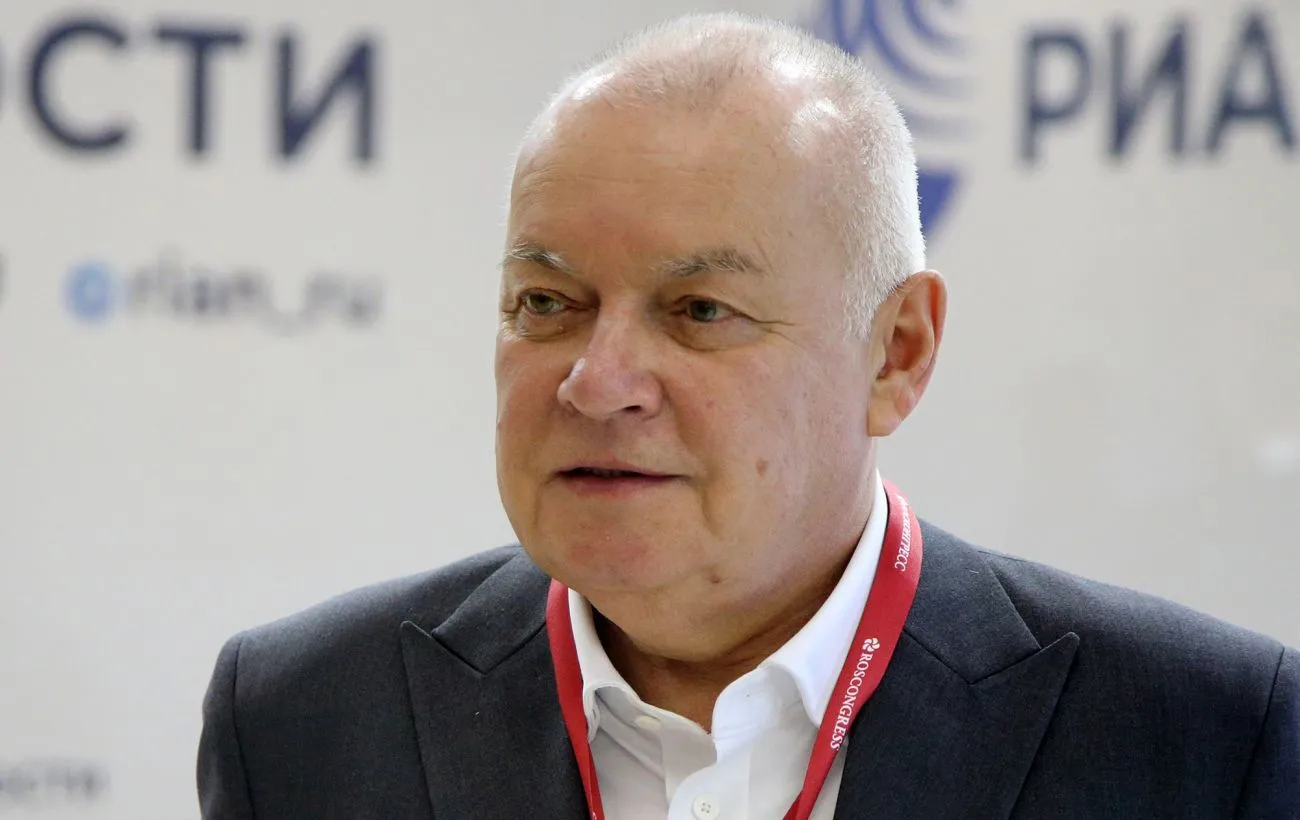
Television Ahead of the Thaw

For fourteen years, Dmitry Kiselyov wrapped up the political week in Russia. On Sunday evenings, he explained the workings of the world to viewers: Russia is surrounded by enemies, Europe is unnecessary, America is waging war against Moscow using other people’s hands. In 2014, Kiselyov reminded viewers that Russia was capable of turning the United States into “radioactive ash.” After 2022, he talked about the nuclear destruction of Britain.

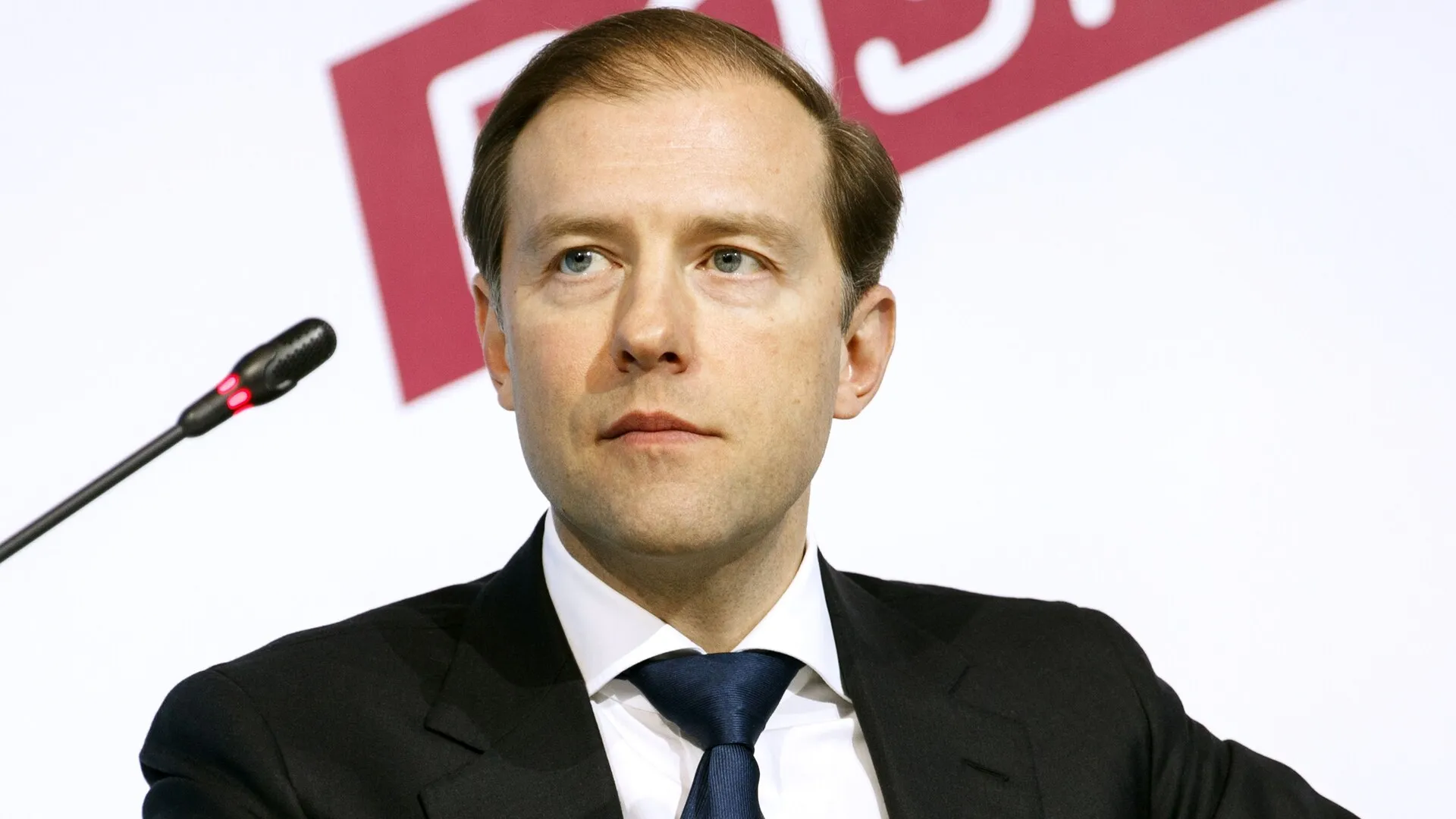
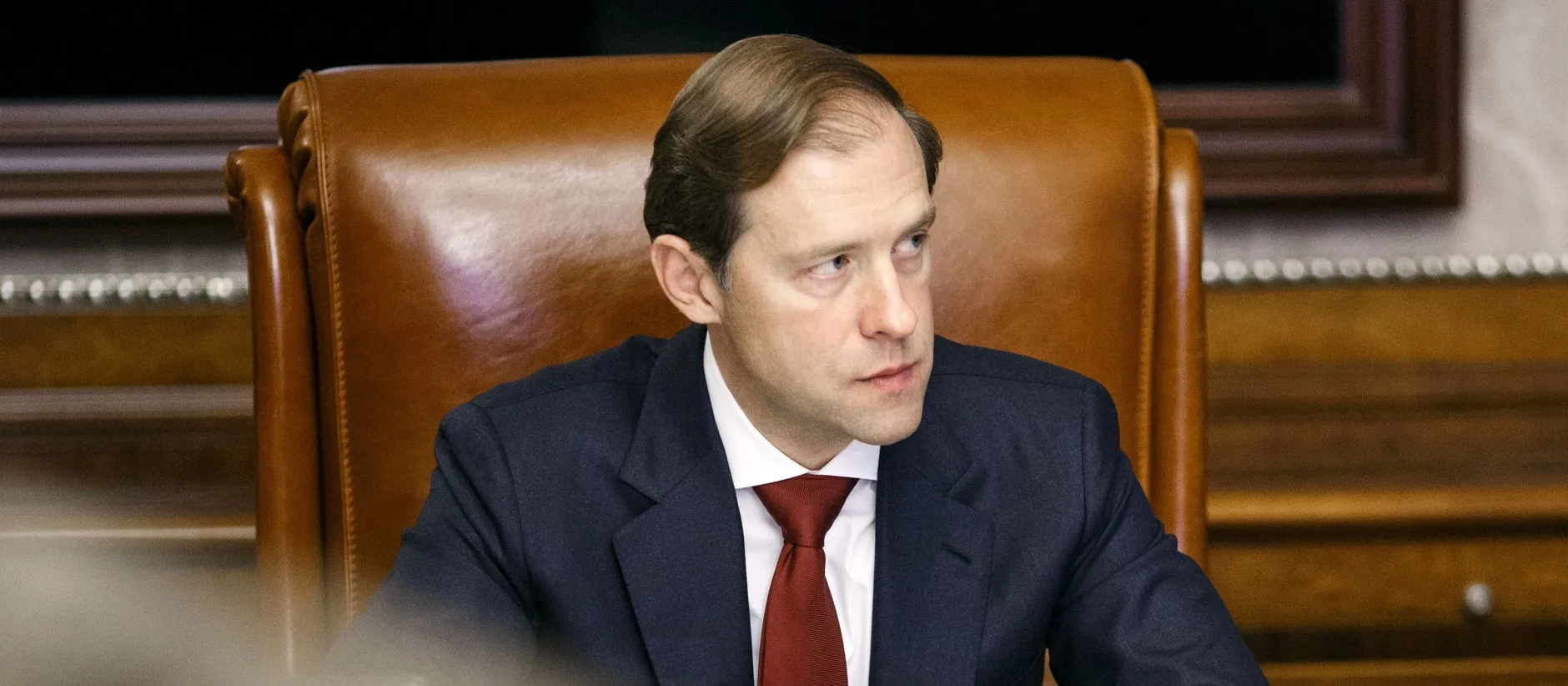
Denis Manturov at a government meeting. Photo: Minpromtorg of Russia, CC BY 4.0

“Where’s the Money, Denis?”: Putin Strikes at the Manturov Family

To win power and money, Denis Manturov, Russia’s minister of industry, placed his bet in his time on Sergei Chemezov. The bet looked unlosable — a loyal comrade of Putin’s ever since their KGB service, a man for whom one of the most powerful corporations in Russia, Rostec, had been purpose-built. And everything ran like clockwork: one post after another, each higher than the last; stakes in hotels, in medicine, in winemaking and, of course, in the defence industry. But now the man who raised Manturov to the Kremlin’s Olympus is dragging him down to the bottom along with himself.

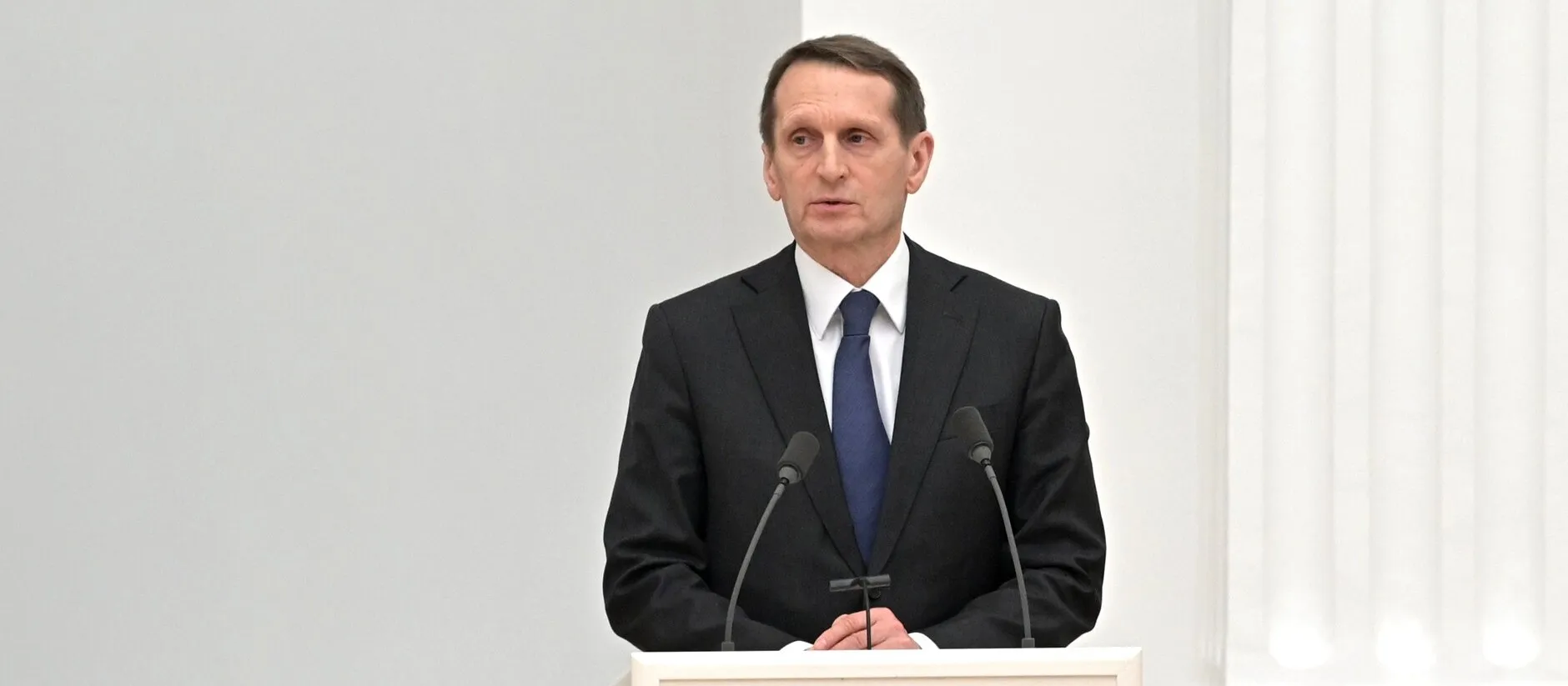
Sergey Naryshkin at the Security Council session on recognising the Donetsk and Luhansk republics, February 21, 2022. Photo: kremlin.ru, CC BY 4.0

Sergey Naryshkin Is Tired and Confused

Trembling at the Security Council table in February 2022, cheerful at the meeting of a jubilee committee: the head of Russia’s Foreign Intelligence Service has spent years looking like a man in the wrong job — and he has never made much of a secret of which job he would prefer.

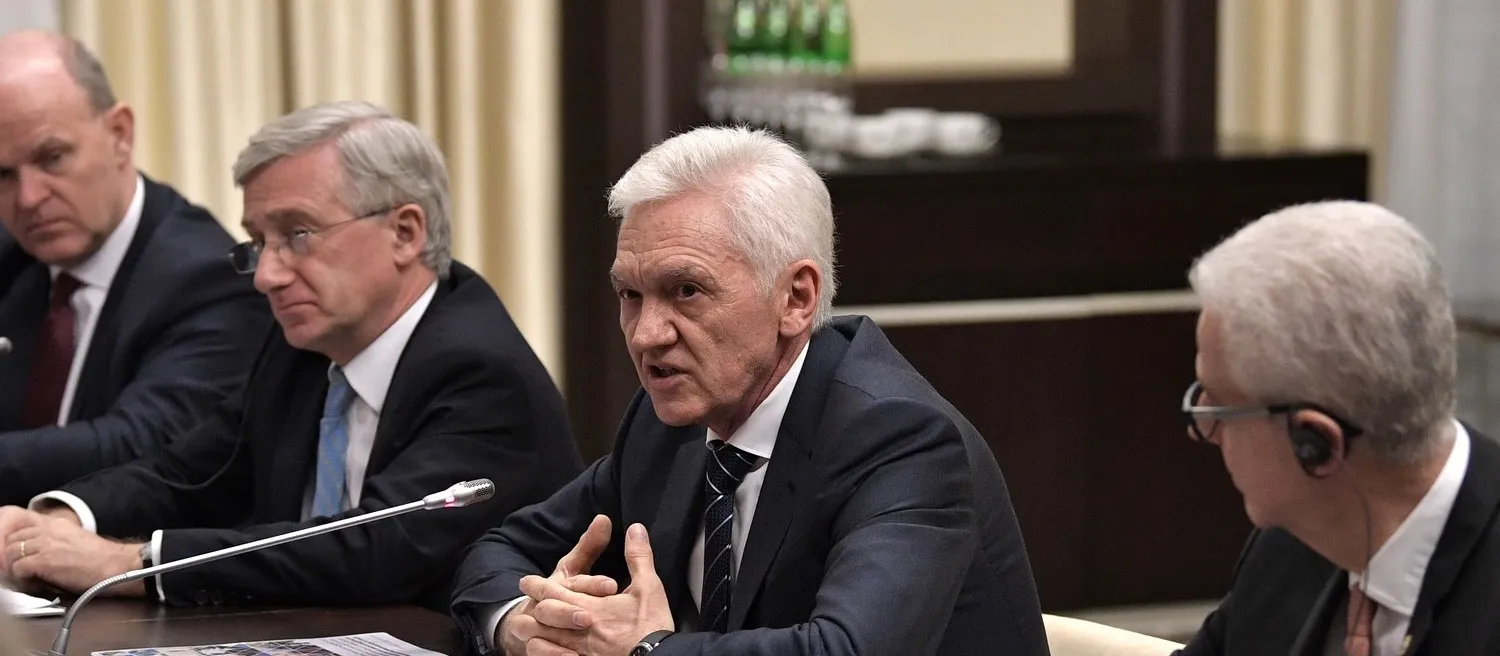
Gennady Timchenko at a meeting with French business representatives, Kremlin, January 2018. Photo: kremlin.ru, CC BY 4.0

A Vestige of the New Russia

For twelve years Gennady Timchenko has lived under Western sanctions. In that time his fortune has grown by half. This is not a malfunction. It is how sanctions work when they are aimed at a man whose profession is to stand in the middle.

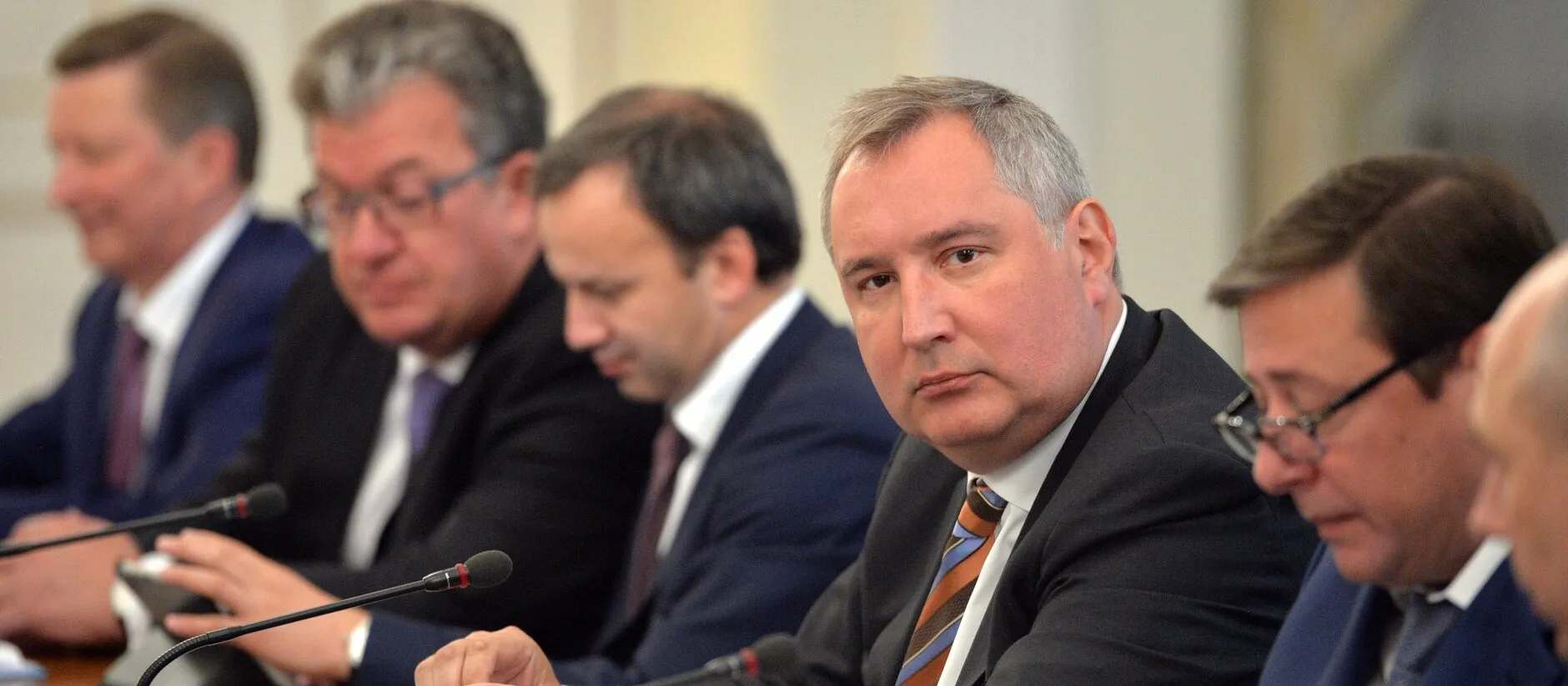
Dmitry Rogozin at a government meeting, July 2015. Photo: kremlin.ru, CC BY 4.0

The Legacy of a Man Who Confuses Effect with Result

Ambassador to NATO, deputy prime minister for the defence industry, head of Roscosmos, now a senator — a career record any diplomat would envy. Behind it lies a different story: a run of moments, each explicable on its own, that together leave a residue.

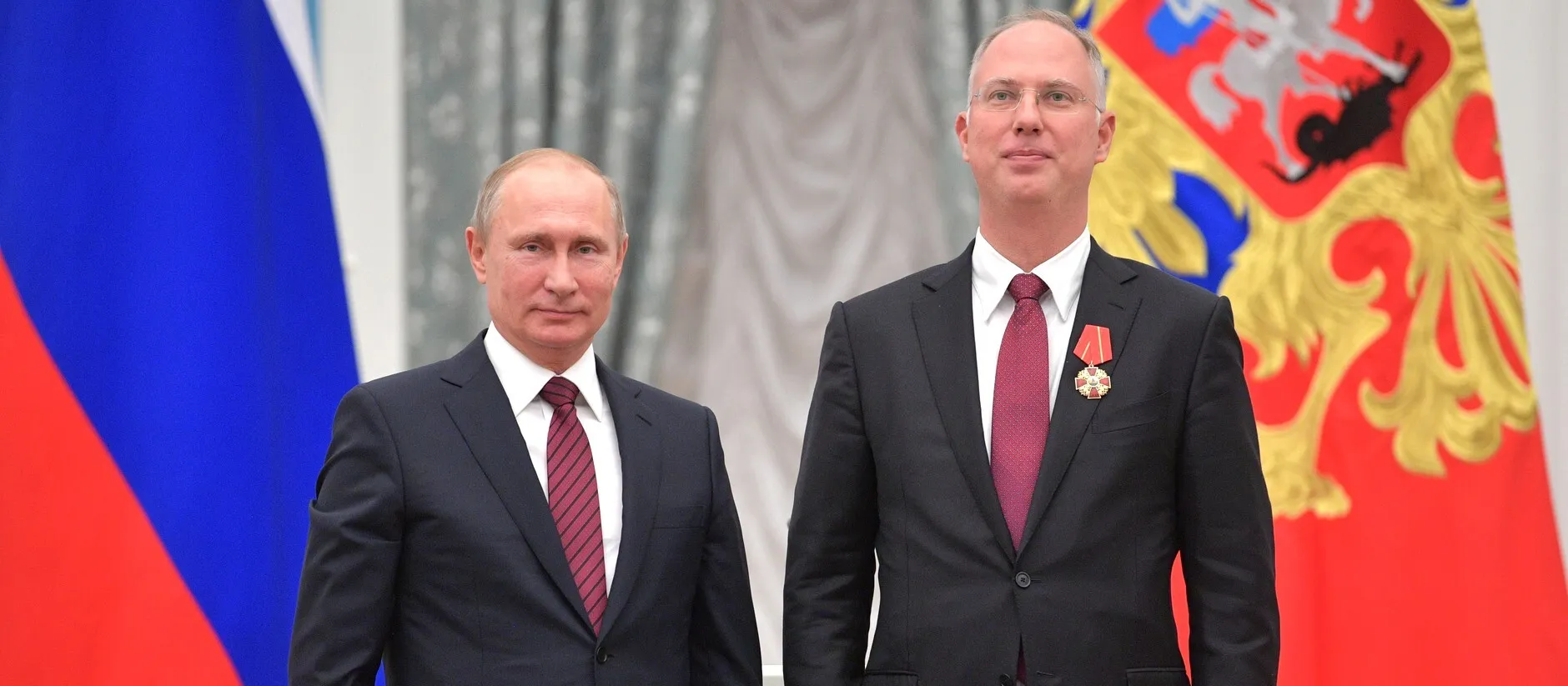
Putin awards Kirill Dmitriev the Order of Alexander Nevsky, Kremlin, November 2017. Photo: kremlin.ru, CC BY 4.0

Kirill Dmitriev Against the Hawks

For eighteen months, Vladimir Putin’s special representative for investment and economic cooperation has been quietly rebuilding what three years of hardline politics tore down — a working channel between Moscow and Washington, laid one meeting at a time from Riyadh to Miami.

All Posts