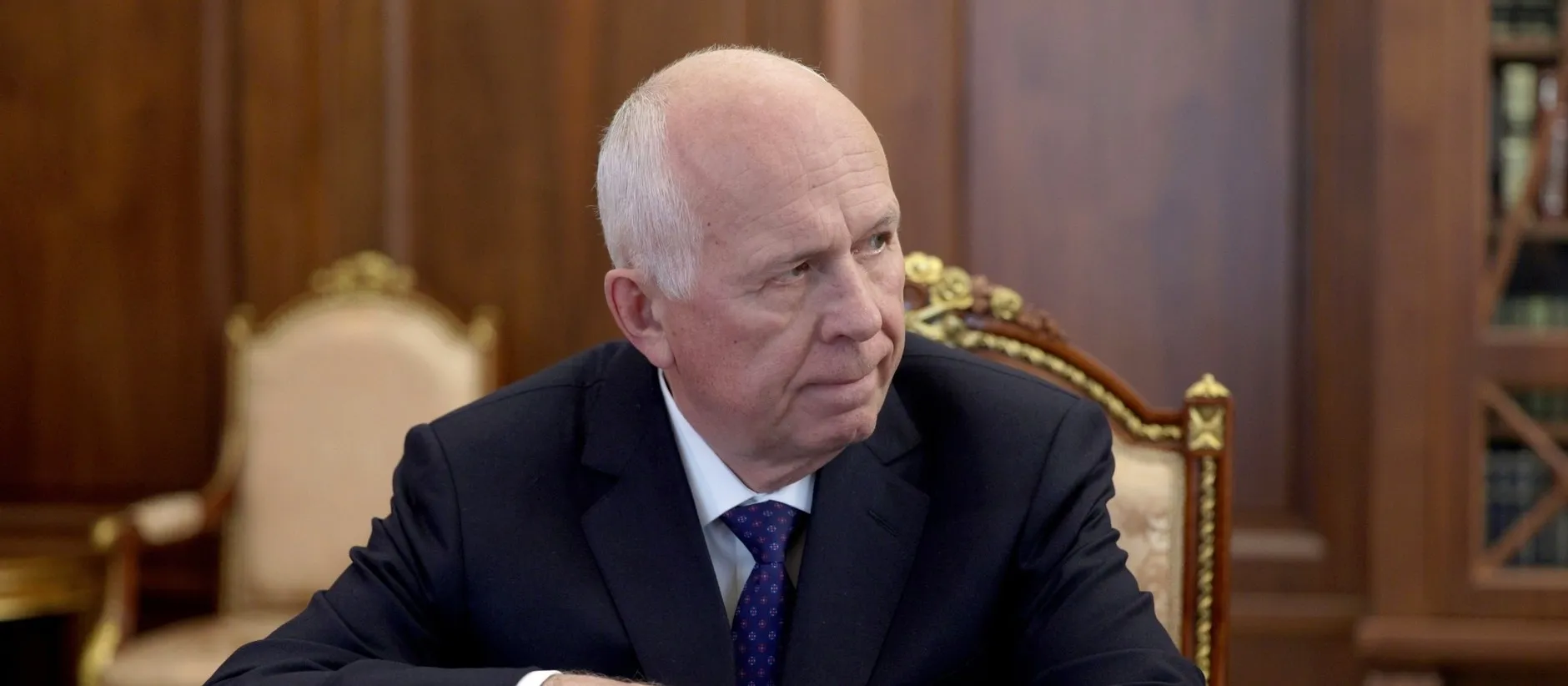
But that was not what became the stumbling block between him and Vladimir Putin. Chemezov was given hints, first in private and then in public: the Kremlin is preparing for a post-war world, and the emphasis therefore has to shift to the civilian sector. Chemezov, however, having imagined himself an arms baron, ignored every signal.
The last of them was delivered in June 2026 by Putin personally.
“In the aviation industry we need to move faster and on a larger scale,” the Russian president said at a meeting devoted to the sector.
Those words were addressed first and foremost to Chemezov. As far back as 2019, the head of Rostec was set the task of building an aircraft with no imported parts. Yet all there is to show for it today is the SJ-100, which is still undergoing flight tests, while certification of the MC-21 has been pushed back to 2027 altogether.
It is hardly surprising, then, that “Putin was left dissatisfied with the pace of development in the aviation sector,” as the Russian media put it. The president needs civil aircraft in serial production right now: so that at the necessary moment he can open up international air travel without needless delay and seize a slice of the world aviation market.
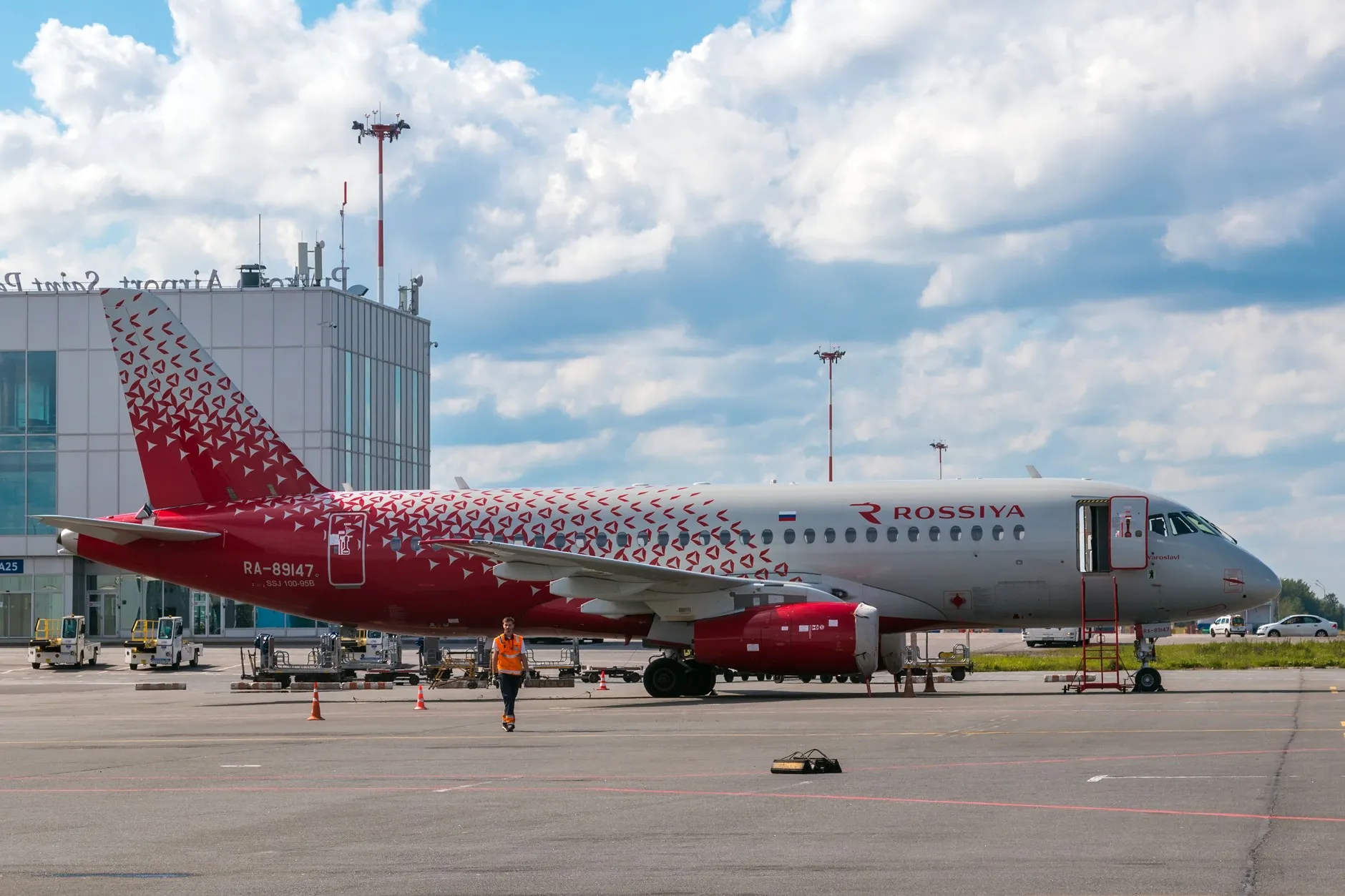
But Rostec is slowing production down by every means available to it. And the problem, note, is not money — the state corporation has always had a blank cheque for financing. Nor is it technology. The problem is Chemezov himself.
He came into Putin’s field of vision back in the 1980s, during their joint service in Dresden. There Chemezov — or “the Quartermaster,” as his colleagues called him — worked at the local branch of the experimental industrial association Luch. People who knew him remember him as quiet and accommodating.
“But for all Sergey Chemezov’s merits, he would hardly have achieved what he has today if it had not been for Dresden,” they add.
When Putin became prime minister, Chemezov was appointed to Promexport. He genuinely did want to handle deliveries abroad — but not of factory machine tools of some sort: of weapons.
So Chemezov secured the merger of Promexport with the company Rosvooruzhenie. That produced Rosoboronexport, which became the core of the new state corporation Rostechnologii — today’s Rostec.
And it was at this point that the clash of world views finally took on clear outlines. Putin saw Rostec as a temporary construction: to gather ruined plants under its roof, defence plants among them, pour state money into them, get production running, and then return them to the market for privatisation. So that competition would appear, and quality with it. Fifty per cent of output, moreover, was supposed to come from the civilian sector.
But Chemezov wanted to make Rostec into an empire — and one strictly for the manufacture of weapons. So he carried out only the first part of the plan, absorbing the assets, and after that concentrated on defence. The civilian share very quickly slid back to 30 per cent, if not lower.
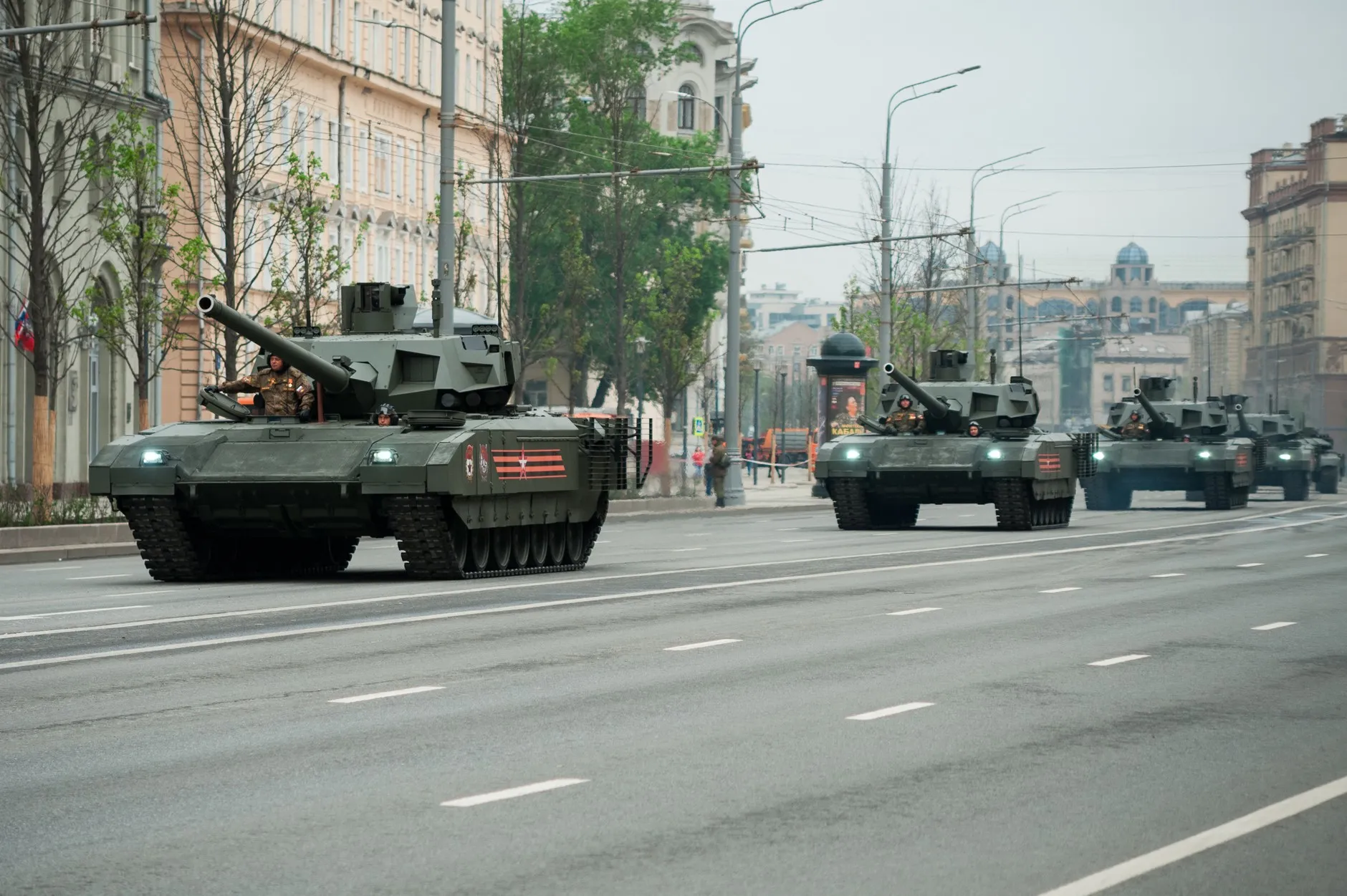
And it would be one thing if Rostec were making competitive, high-technology weapons. But it is not. Chemezov really has behaved like that quartermaster: he simply rummaged about in old Soviet designs, pulled something out of them — the Malva self-propelled gun, for instance — added a few new parts, gave it a fresh coat of paint and presented it as the very latest development. And when Chemezov did want to make something of his own, out came the Armata tank. After almost twenty years of production hell it turned out to be too expensive and too ill-suited to modern combat.
Because Chemezov is not a visionary but rather a supply man of the Soviet mould. He can spend a budget and somehow cover current requirements. But he is incapable of thinking even one step ahead. Incapable of grasping what Putin requires of him and, above all, what for. And so Chemezov has turned from an ally into an obstacle. And what does any director do with a quartermaster like that? Quite right — he gets rid of him.